|
BASIC COURSE:
Creative Writing: The Short Story 1 (5 weeks)
|
 Week #1 Week #1
2013-03-07 |
Week #2
2013-03-14 |
 Week #3 Week #3
2013-03-21 |
Week #4
2013-03-28 |
Week #5
2013-04-04 |
|
|
ADVANCED COURSE:
Creative Writing: The Short Story 2 (6 weeks)
|
 Week #1 Week #1
Introduction to
the Class
2013-03-07 |
Week #2
The
Parts of
a Story
2013-03-14 |
Week #3
Writing the
First Draft
2013-03-21 |
Week #4
The Business
of Writing
2013-03-28 |
Week #5
Peer
Review
2013-04-04 |
Week #6
The Final Draft and
Wrap-Up
2013-04-11 |
|
| |
|
Welcome to Creative
Writing: The Short Story 1 & 2!
Welcome to Creative Writing: The Short Story
1 & 2,
currently being offered through
Bangor Adult and
Community Education by instructor
David M. Fitzpatrick. Starting in 2013, the previous single class
has been split into two classes to better accommodate students of
different levels.
Creative Writing: The
Short Story 1 (CWSS1)
Anyone can write short fiction in this fun and easy course designed for
the casual creative writer. Each night will cover different story-writing
aspects and get you writing immediately with fun exercises. Students must
bring USB flash drives and should be familiar with using a Web browser and
Microsoft Word.
Creative Writing: The Short Story 2 (CWSS2)
This intensive, fast-moving course is packed with lessons, exercises,
take-home assignments, and a semester project to complete a story and
submit it to a national fiction magazine. Students will learn
storybuilding techniques, storytelling skills, and the business aspects of
writing. This course relies on student teamwork and is intended only for
serious writers. Prerequisites: Students must be approved by the
instructor; if you sign up, the instructor will contact you, so please
provide an email address. Students must bring USB flash drives and should
be familiar with using a Web browser and Microsoft Word. NOTE: If
you signed up for this class and don't meet the requirements, you are not
going to enjoy this class. Consider switching to CWSS1, the
Wednesday-night class, to try that one first.
|
 |
| HELPFUL
INFORMATION |
About the instructor
 David
M. Fitzpatrick is no Stephen King, but he knows about writing short
stories and getting them published. Plus, he writes for a living.
Here's everything you need to know about him. David
M. Fitzpatrick is no Stephen King, but he knows about writing short
stories and getting them published. Plus, he writes for a living.
Here's everything you need to know about him. |
About the anthology series
 I'm
publishing an ongoing
series called Spectrum Stories. Read about the current titles in the
series: A Quiet Blue Wheel, An Odd Red Puzzle, The Forgotten White Door,
and the new title, That Amazing Green Toy. I'm
publishing an ongoing
series called Spectrum Stories. Read about the current titles in the
series: A Quiet Blue Wheel, An Odd Red Puzzle, The Forgotten White Door,
and the new title, That Amazing Green Toy. |
Anthology Guidelines
 We no
longer do anthologies for the class, but click here to read the
previous AGT submission guidelines. I hope to do anthologies
in the future, and this will give you an idea of what I'd been doing. We no
longer do anthologies for the class, but click here to read the
previous AGT submission guidelines. I hope to do anthologies
in the future, and this will give you an idea of what I'd been doing. |
"Reflecting" the
antho's title
 If
you've been invited to submit into one of my anthologies, you know
you
must craft stories that in some way "reflect" the title of the
anthology. How do you do this? Here are a few examples, along with a great student outline
for her story in the anthology An Odd Red Puzzle. If
you've been invited to submit into one of my anthologies, you know
you
must craft stories that in some way "reflect" the title of the
anthology. How do you do this? Here are a few examples, along with a great student outline
for her story in the anthology An Odd Red Puzzle. |
Writer's Glossary
 I've tried to
define many of the most common terms you'll hear about in the world of
writing fiction. This includes many examples of writing forms. I've tried to
define many of the most common terms you'll hear about in the world of
writing fiction. This includes many examples of writing forms. |
StoryBoard
 A handy,
brief, seven-step process to writing a short story and submitting it for
publication. This won't make you a great writer, but it will show you the
ropes of how it's done. A handy,
brief, seven-step process to writing a short story and submitting it for
publication. This won't make you a great writer, but it will show you the
ropes of how it's done. |
Methods of Writing
 Writing by
hand or with a typewriter is fine until you have to share your work
with others in class. Plus, there are many reasons you should embrace
technology. Writing by
hand or with a typewriter is fine until you have to share your work
with others in class. Plus, there are many reasons you should embrace
technology. |
Recommended Reading
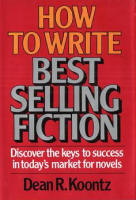 I
have a selection of books that I routinely recommend to fiction
writers. I'm providing them here with brief descriptions of each, and
why I feel they're invaluable to any writer. I
have a selection of books that I routinely recommend to fiction
writers. I'm providing them here with brief descriptions of each, and
why I feel they're invaluable to any writer. |
In Memoriam
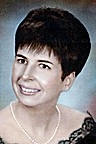 To
those who don't know, Penny Lehman from our Spring 2010 class
passed away. Penny died March 26 following an unattended heart attack.
Read more about Penny here. To
those who don't know, Penny Lehman from our Spring 2010 class
passed away. Penny died March 26 following an unattended heart attack.
Read more about Penny here. |
|
|
USEFUL FILES |
Manuscript template
 This template is a Word document that is preformatted for most of
what you need for standard manuscript format. It is double-spaced with
one-inch margins; there is a formatted header; and there is a block on
page one for your personal information. Use this whenever you begin a
new writing project. Remember: underline when you mean italics (unless a
publication requests otherwise) and use a # on an empty-line scene
break. This template is a Word document that is preformatted for most of
what you need for standard manuscript format. It is double-spaced with
one-inch margins; there is a formatted header; and there is a block on
page one for your personal information. Use this whenever you begin a
new writing project. Remember: underline when you mean italics (unless a
publication requests otherwise) and use a # on an empty-line scene
break. |
Short-Story Checklist
 Once you're done your
first draft of your project story, or editing someone else's, use this
checklist to ask
yourself questions to make sure you're on the right
track. Once you're done your
first draft of your project story, or editing someone else's, use this
checklist to ask
yourself questions to make sure you're on the right
track. |
Microsoft Works converter
 For
converting Works files to Word docs. (We seem to need it frequently in class, usually
when someone has written in Works and has brought work in that cannot
be opened in Word.) For
converting Works files to Word docs. (We seem to need it frequently in class, usually
when someone has written in Works and has brought work in that cannot
be opened in Word.) |
Manuscript format example
This is not the
manuscript template. That's above. This is an example
of standard manuscript format. Note: Editors may require
specific differences; check local listings! |
Submitting your work
This covers all the basics of submitting to a publication, in short
form. |
Cover letter examples
Five examples of the same cover letter, with explanations on why they're
good or bad. |
Contract example
A sample contract. Contracts vary wildly. Always read any contract you
sign very carefully! |
|
|
|
|